
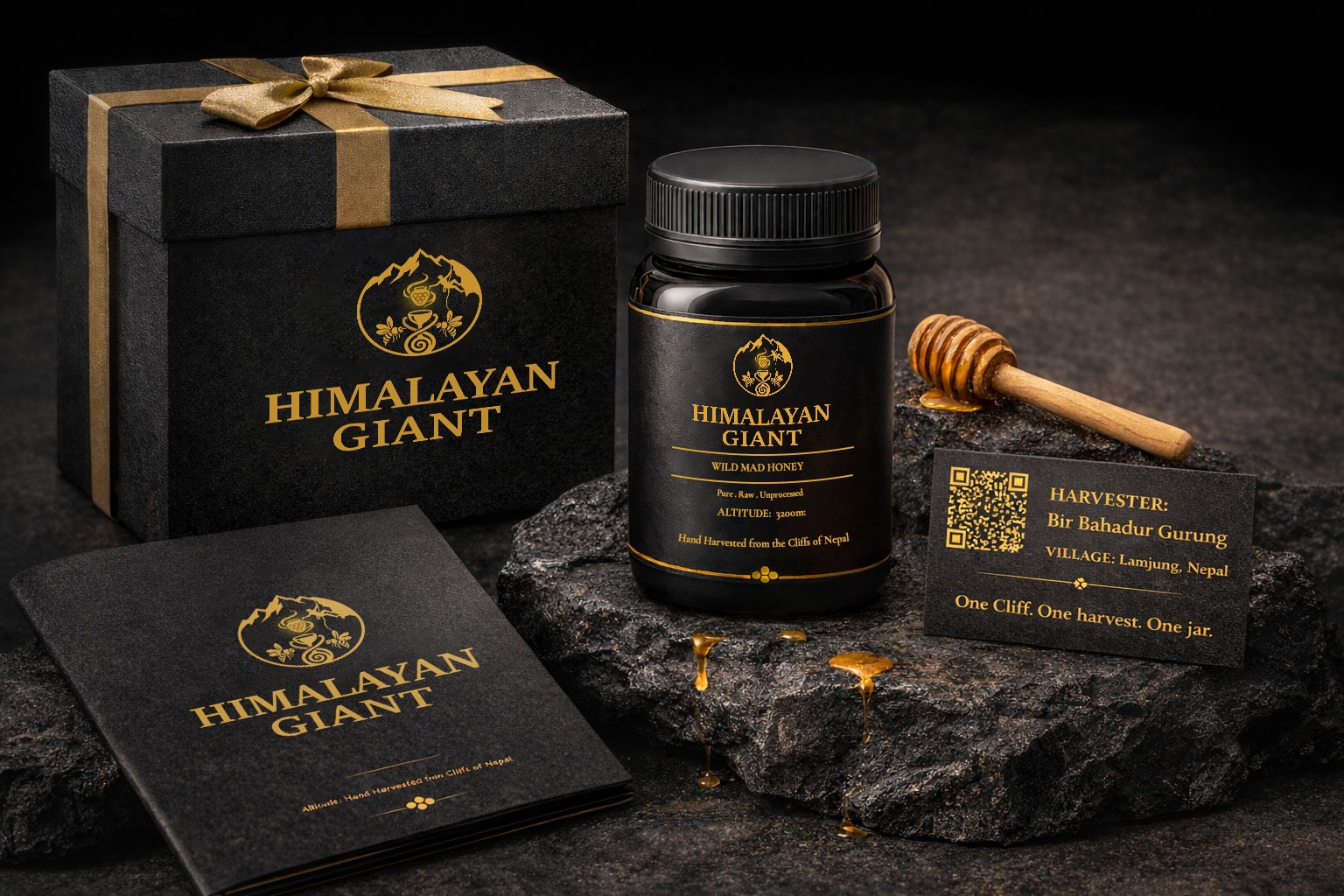
Spring 2026 Limited Edition - Sold Out
Limited Spring Mad Honey-Sold Out
All 350 jars from our Spring 2026 harvest have been fully allocated.
Price range: $279.00 through $679.00
The next harvest season will take place in Spring 2027. | We will announce pre-order availability once harvesting dates and allocation numbers are confirmed.
🌍 Free worldwide shipping included
| 🛡️ Direct from Himalayan Cliff Hunters (Lamjung, Nepal).✅ Batch Verified + Harvest Video Included
| 💯 100% Authentic Wild Harvest.- Lamjung, Nepal
- Apis laboriosa — World's Largest Honeybee
- Spring 2027 Pre-Orders Opening Soon
- Harvest Video Included
Why This Honey Is Different
✅It is extremely rare Himalayan cliff honey
✅ It is harvested only once per year
✅It is known for a unique natural experience
✅ It cannot be farm-produced or duplicated
Limited Release: Spring 2026 Harvest sold out,
This is genuine Himalayan mad honey — wild-harvested from the cliff nests of Apis laboriosa, the world’s largest honeybee, in Lamjung District, Nepal. It contains naturally occurring grayanotoxin from Rhododendron nectar foraged at 2,800 to 3,500 meters altitude. It is collected once per year by Gurung honey hunters using methods passed down through generations. It is unfiltered, unheated, and comes directly from the cliff to your jar with nothing in between.
There are 350 jars from this harvest. No more exist anywhere in the world. The next harvest is Spring 2027.
Spring 2027 Pre-Orders Opening Soon
The next harvest season will take place in Spring 2027. We will announce pre-order availability once harvesting dates and allocation numbers are confirmed.
If you’d like early access, pricing information, or updates regarding the Spring 2027 release, please contact us directly.
Questions?
Our team is happy to help with:
- Spring 2027 pre-order inquiries
- Product availability updates
- Wholesale and partnership requests
- Shipping and delivery questions
- General questions about Himalayan Mad Honey
Contact us directly and we’ll get back to you as soon as possible.
Thank you for supporting traditional Himalayan honey hunting and the communities that make this harvest possible.
Secure Payment We Accept:



Proof of Our Source
This is not resold or sourced through middlemen. We work directly with Gurung honey hunters in Lamjung — the same teams who harvest from Himalayan cliffs each season.
We also organize real honey hunting expeditions, allowing people to witness the harvest firsthand.
Explore the Harvest Experience →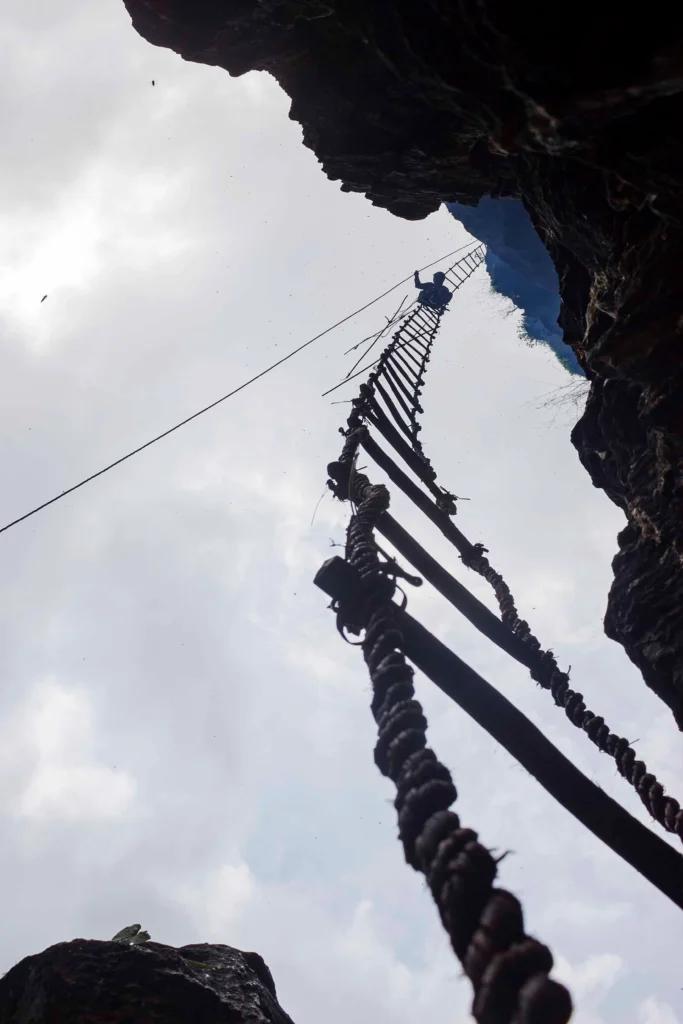
Order Process
Secure your jar today. We harvest, pack, and ship directly from the cliffs of Lamjung.
Order
Reserve your jar now before the harvest begins.
YOU ARE HEREHarvest
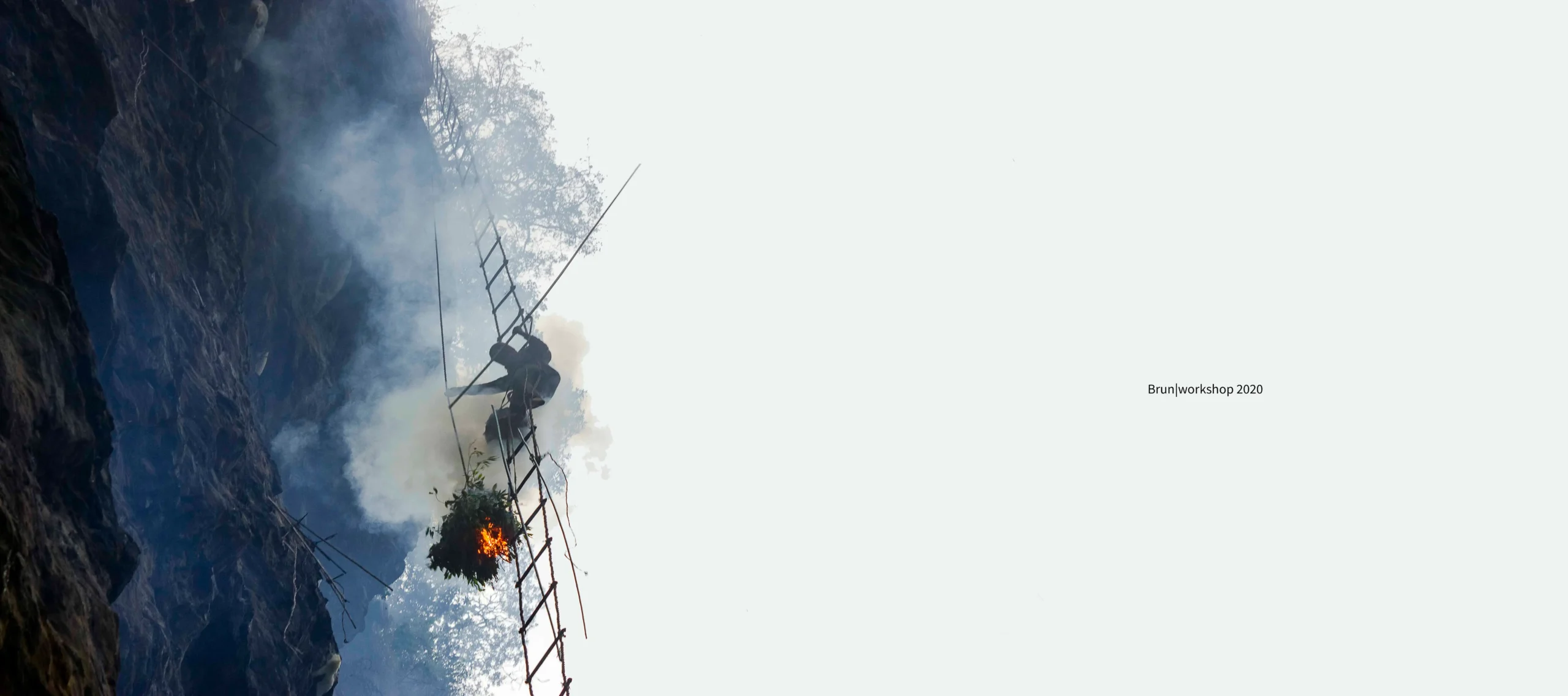
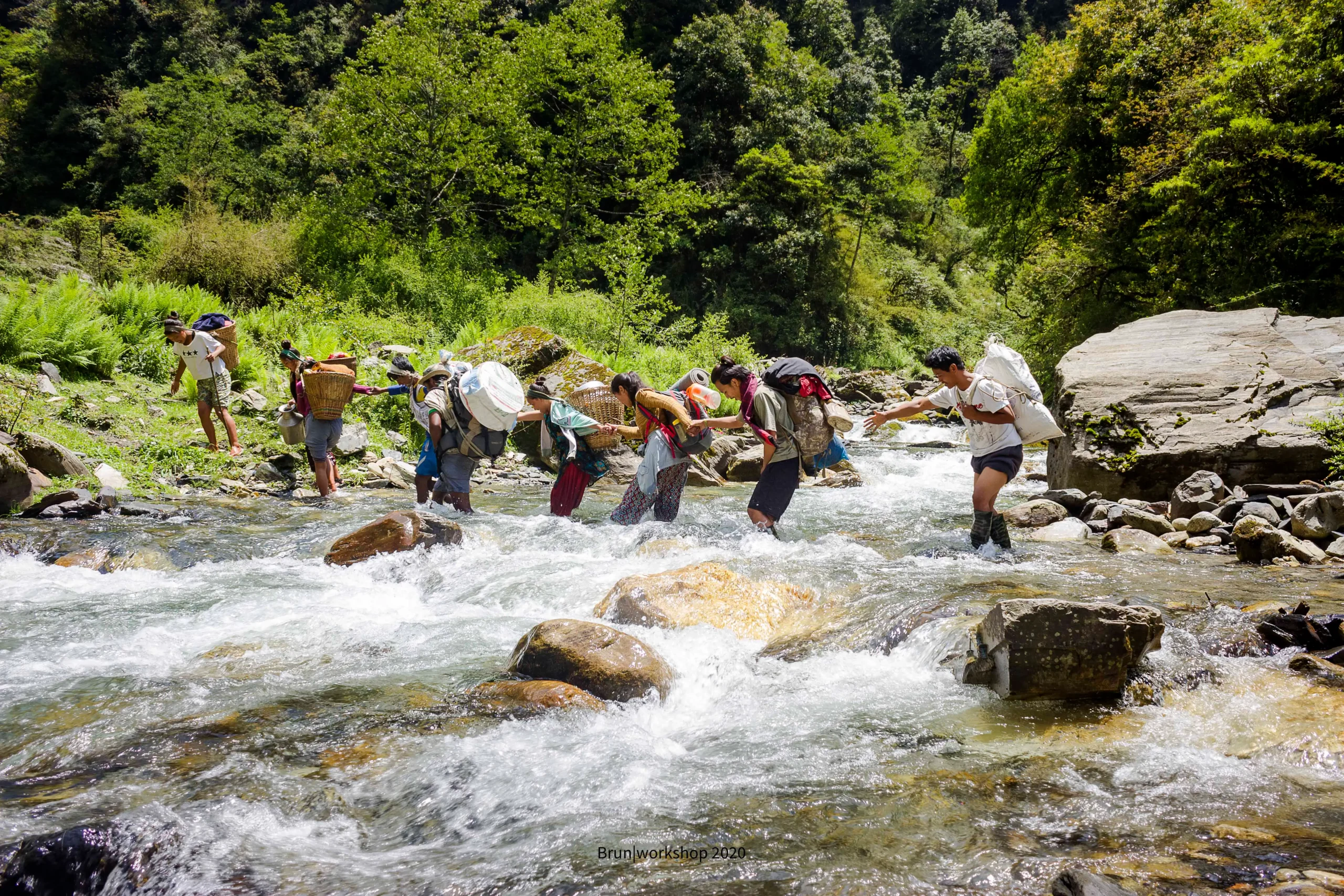
Gurung hunters climb the cliffs of Lamjung to cut fresh honeycomb. Spring 2026.
Pack & Verify
Your honey is packed fresh, batch-coded, and paired with harvest video footage.
Ship to You
Free worldwide shipping. Expected delivery: May–June 2026.
Some products come with descriptions. This one comes with a geography, a species, a season, and a set of people who have been doing this longer than any of it was documented.
What you are reading is not a sales page dressed up as a story. It is as close as we can get — in writing — to explaining what this honey actually is, where it actually comes from, and why it cannot be replicated by anyone, anywhere, at any scale.
It is not for everyone. If the bitterness alone is not your thing, that is fair. But if you want to understand what you are holding before you open it, read on.
What Is Mad Honey — And Why Does It Only Come From Nepal?
Mad honey is a rare type of wild honey that contains naturally occurring grayanotoxin from Rhododendron nectar, produced specifically by Apis laboriosa bees in accessible harvest regions of Nepal.
The thing that separates mad honey from every other honey on the market is not the flavor, though the flavor is different. It is the chemistry. Grayanotoxin — a naturally occurring compound found in certain Rhododendron species — passes from the flower’s nectar into the honey during production without being broken down. It stays intact. That is what you are tasting when you notice the bitterness. That is what makes this something other than regular honey.
Nepal is the primary global source of true Himalayan mad honey because it is one of the only places where Apis laboriosa lives and can be reached by hunters. This species does not live in managed hives or lowland forests. It builds on exposed cliff faces at elevation, which makes both the honey and the harvest inherently limited by what nature allows.
Mad honey has been documented for a long time. In 401 BCE, Xenophon recorded accounts of Greek soldiers becoming incapacitated after eating wild honey near the Black Sea — one of the earliest written records of grayanotoxin’s effects. In Nepal, the use of mad honey has continued without interruption through communities like the Gurung people of Lamjung, where it remains part of an unbroken cultural practice. You can read more about [the traditional use of mad honey by the Gurung people of Lamjung].
The Compound That Makes It Different
Grayanotoxin is a naturally occurring compound produced by Rhododendron plants as a defense against herbivores. When Apis laboriosa collects nectar from these flowers, grayanotoxin moves through the bee’s processing of that nectar into honey completely unchanged. It does not cook off. It does not filter out. It is not present in any commercially farmed honey and cannot be introduced artificially. The only way to get it is from the source — which is exactly what this honey is.
This is not a product that begins in a factory or even in a managed field. It begins somewhere harder to reach — where elevation, water source, and bloom timing align for a short window each spring. To understand the honey, you have to understand the terrain that makes it possible.
Where This Honey Comes From — The Three-Landscape System
Himalayan mad honey comes from a specific ecological system in Lamjung District, Gandaki Province, Nepal — where cliff-nesting Apis laboriosa bees forage upward daily into Rhododendron forests that carry naturally occurring grayanotoxin.
The Cliff — Where Apis laboriosa Builds
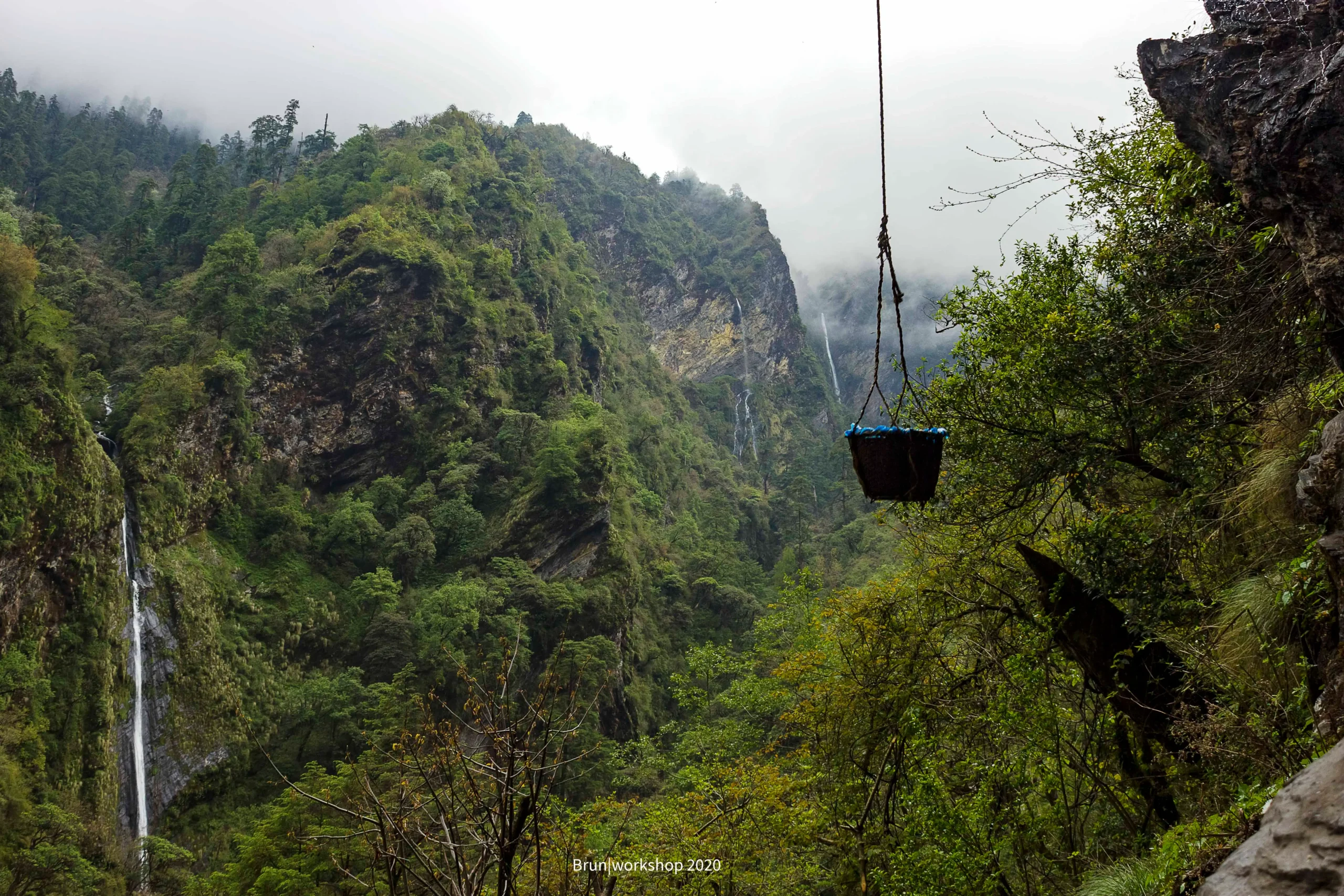
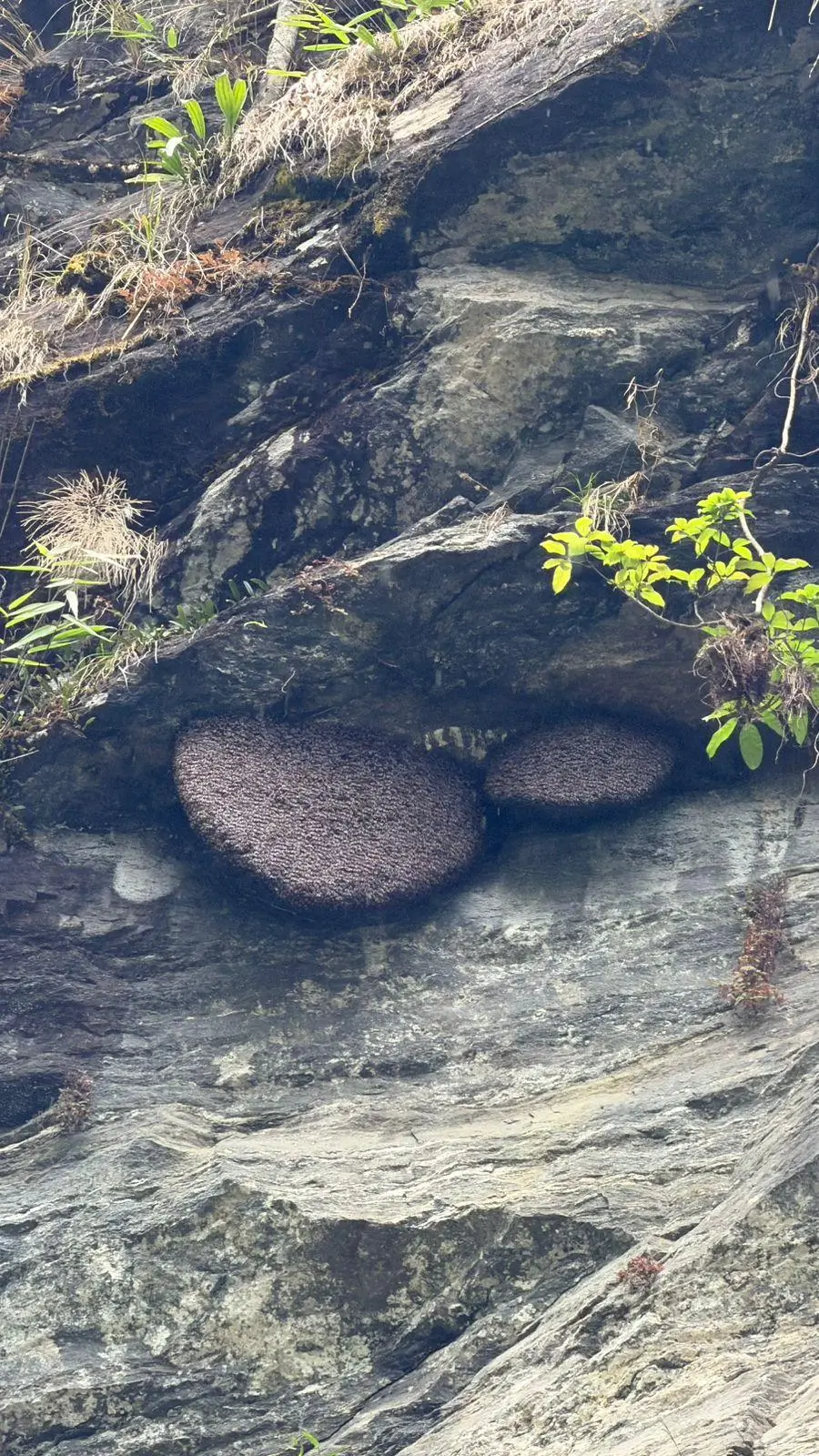
Apis laboriosa does not live in hives, hollowed trees, or any enclosed space. It builds a single large exposed comb directly on an open cliff face — almost always above a river gorge where a permanent water source is close by.
The cliffs in Lamjung provide what the colony needs: vertical stone that limits predator access and a stable location the colony returns to season after season. Each comb can grow past one meter in width. It hangs in the open air with nothing protecting it except the cliff itself and the bees that defend it.
This is where our honey comes from.
The Forage — The Daily Journey Upward
From cliff nests above 1,400 meters, worker bees leave each morning and fly upward into the Rhododendron forests growing between 2,800 and 3,500 meters above sea level.
That is a vertical climb of more than 1,500 meters in elevation — one of the most demanding foraging patterns of any bee species on record. It happens every day during the spring bloom window, which is the only time Rhododendron nectar carries grayanotoxin in meaningful concentration.
Apis laboriosa has evolved alongside these plants over a very long time. The compound that affects other animals does not affect the bee. When nectar becomes honey, the grayanotoxin remains exactly as it was in the flower.
The Valley — Why Lamjung and Nowhere Else
Lamjung District in Gandaki Province sits at the intersection of two things that rarely occur together: cliff faces suitable for Apis laboriosa nesting and close proximity to high-altitude Rhododendron forests.
Mad honey is also found in parts of Turkey, but it involves different bee species and a fundamentally different environment. The conditions in Lamjung — this specific combination of gorge topography, water access, and Rhododendron habitat within foraging range — produce a honey that is tied to this place. It does not exist in the same form anywhere else.
How Mad Honey Is Harvested — The Gurung Cliff Tradition
Mad honey is harvested entirely by hand from exposed cliff faces by the Gurung people of Lamjung, using techniques that have remained largely unchanged across generations.
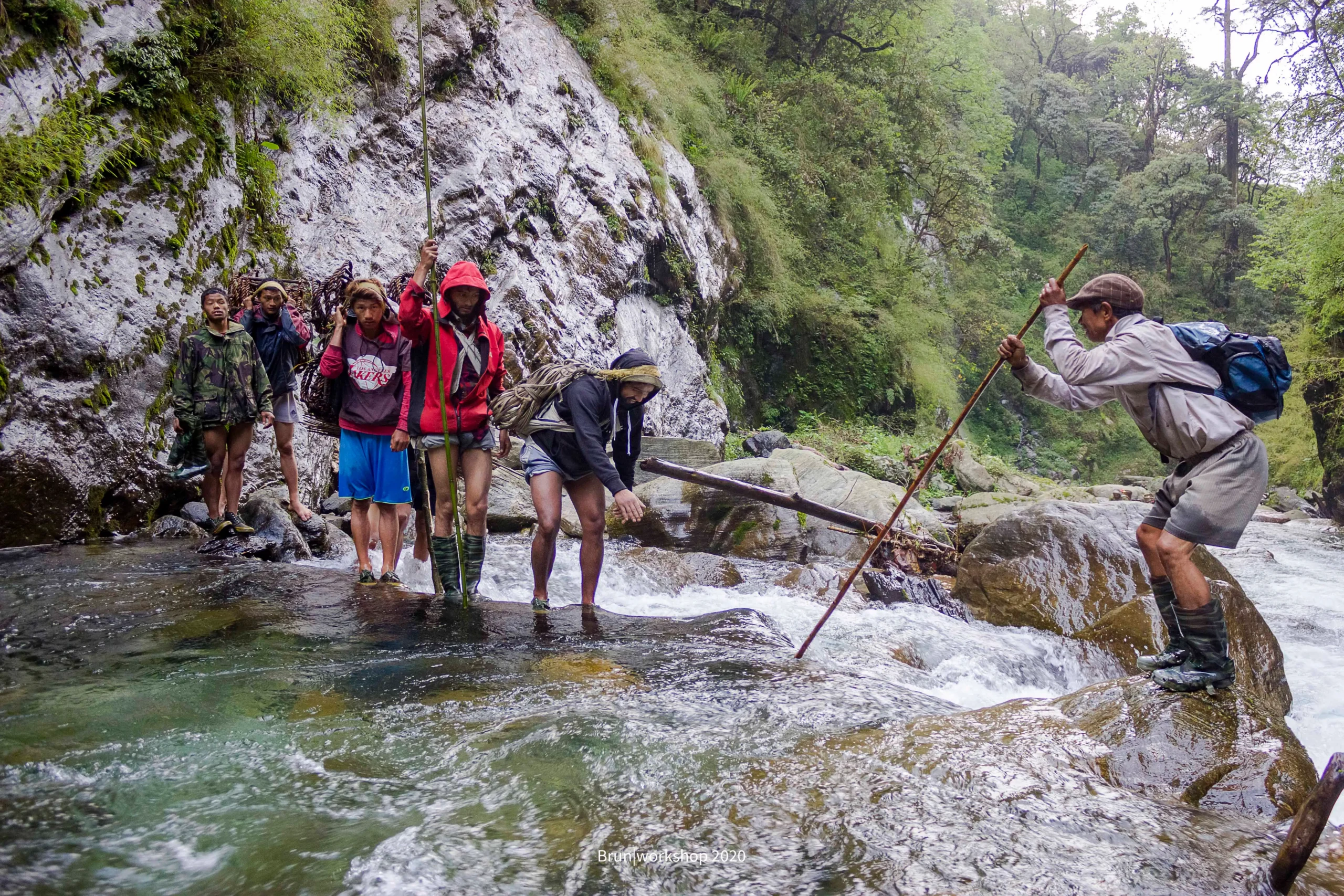
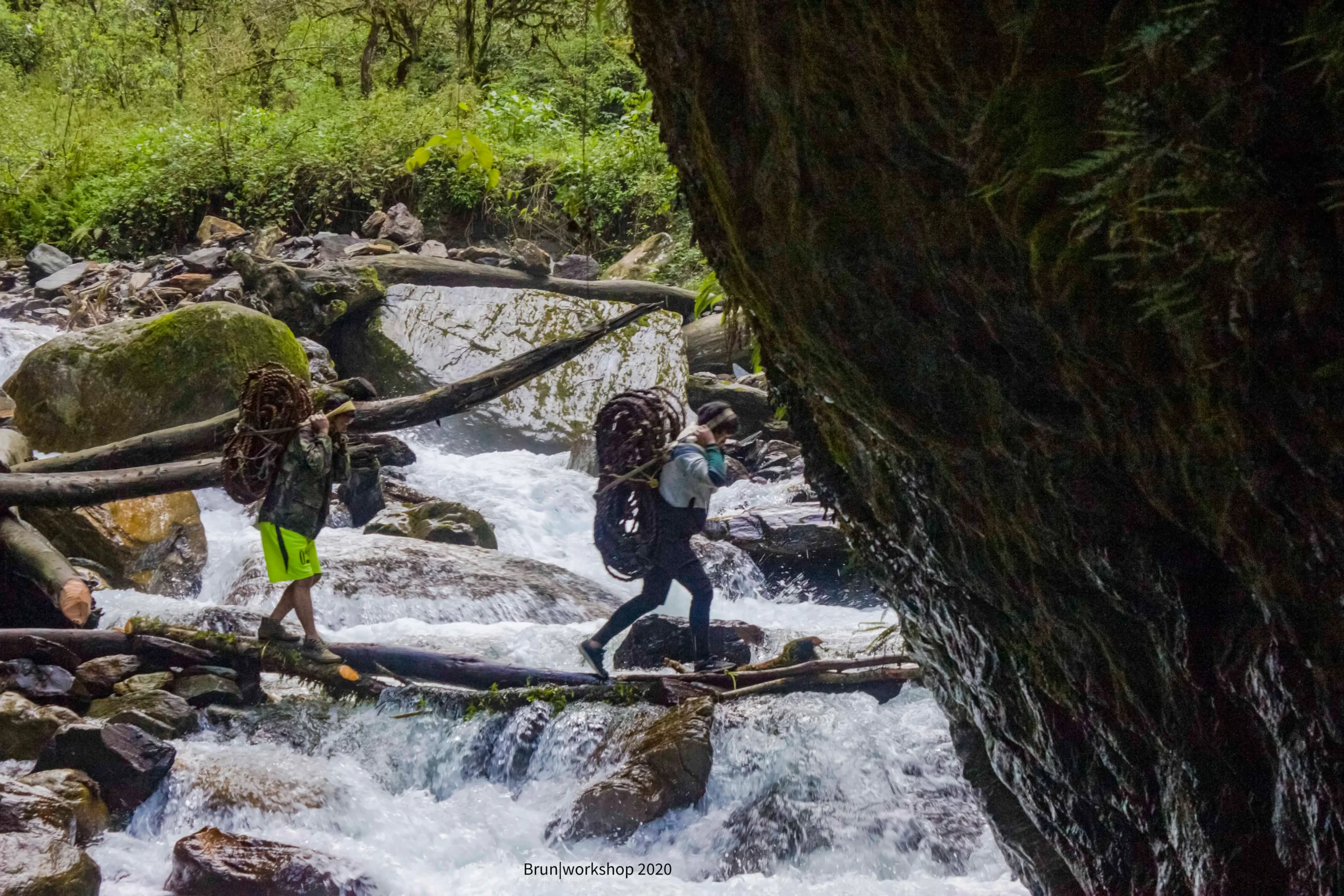
The Gurung Hunters of Lamjung
The Gurung are an indigenous community of Lamjung District, Nepal. They are among the last people on Earth who still conduct large-scale wild honey hunting. In the nearby Myagdi region, Magar hunters carry out a similar practice on different cliff systems.
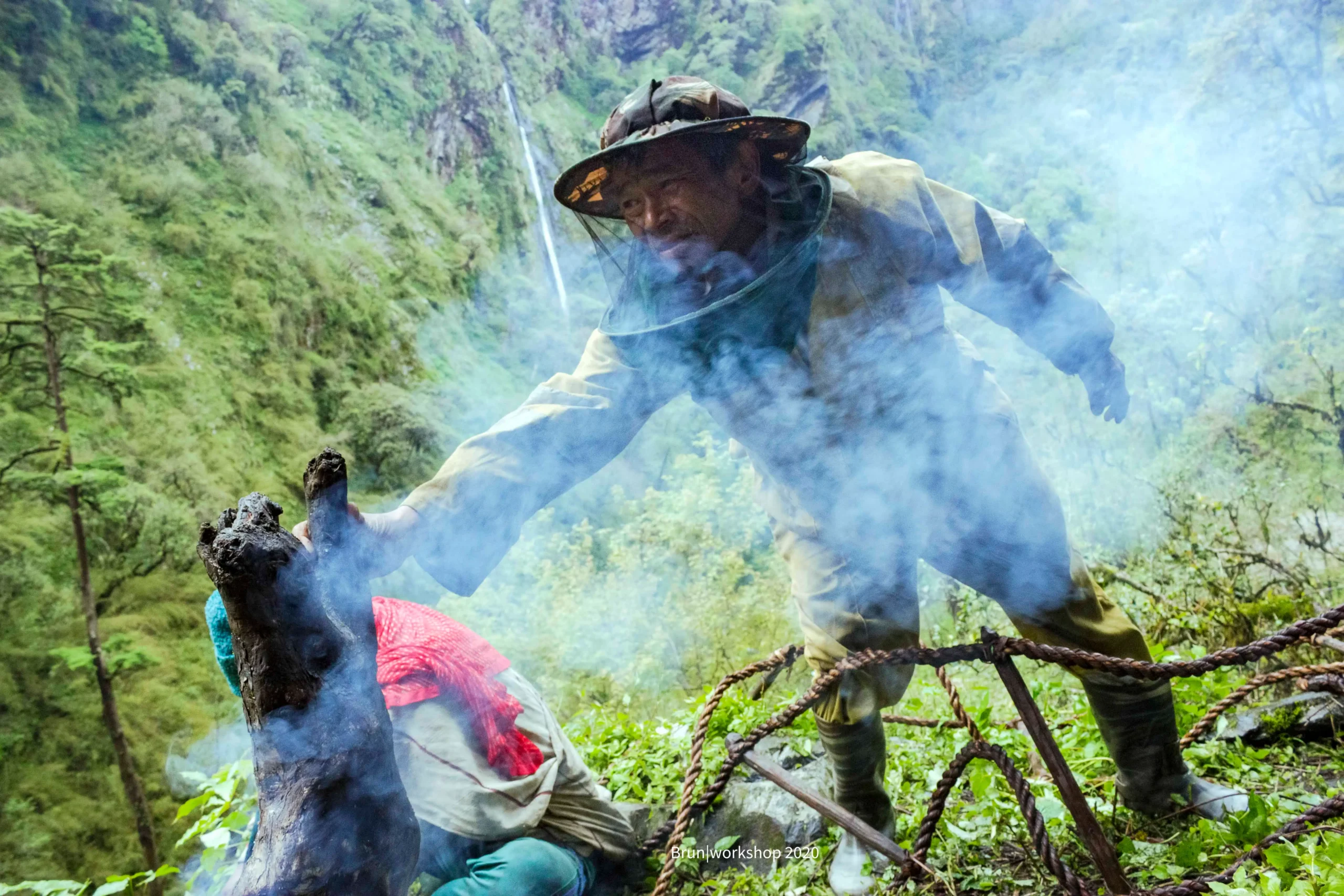
This knowledge is not written anywhere. It is learned by watching, then by assisting, then eventually by leading. A hunter learns to read how a colony responds to smoke and proximity. He learns what the bloom timing means for what is inside the comb. He learns which sections to cut and which to leave so the colony survives to the following year.
The people doing this work today are part of a continuous line that goes back further than any written record of it. That is worth saying plainly.
The Harvest — What Actually Happens on the Cliff
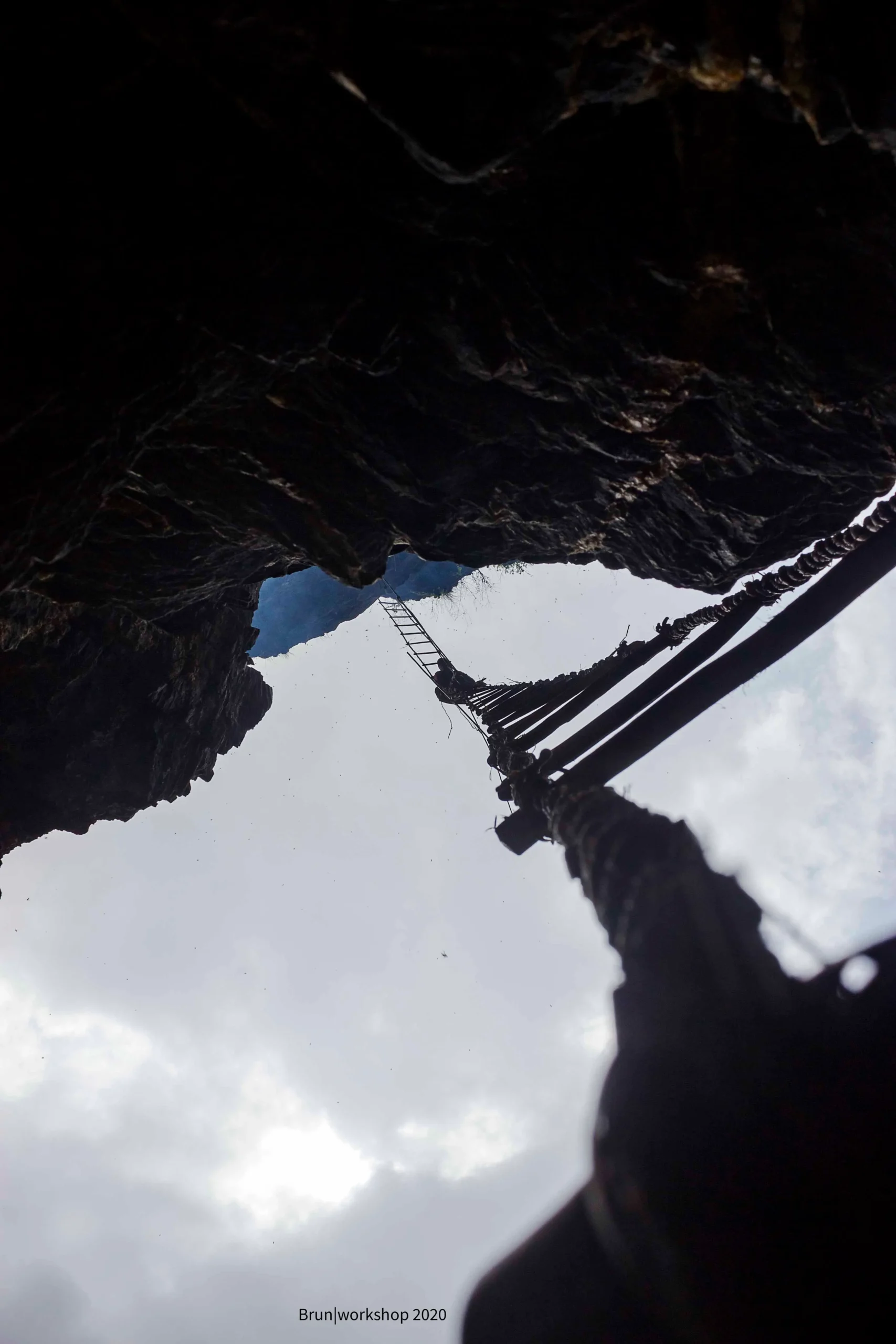
The harvest begins from the top. A handwoven rope ladder is anchored and lowered down the cliff face. The hunter descends into open air, stopping at the level of the comb.
The tools of the harvest — unchanged for generations:
- Handwoven rope ladder — the only descent method
- Tango — a long-handled bamboo cutting knife
- Woven grass basket — catches the falling comb sections
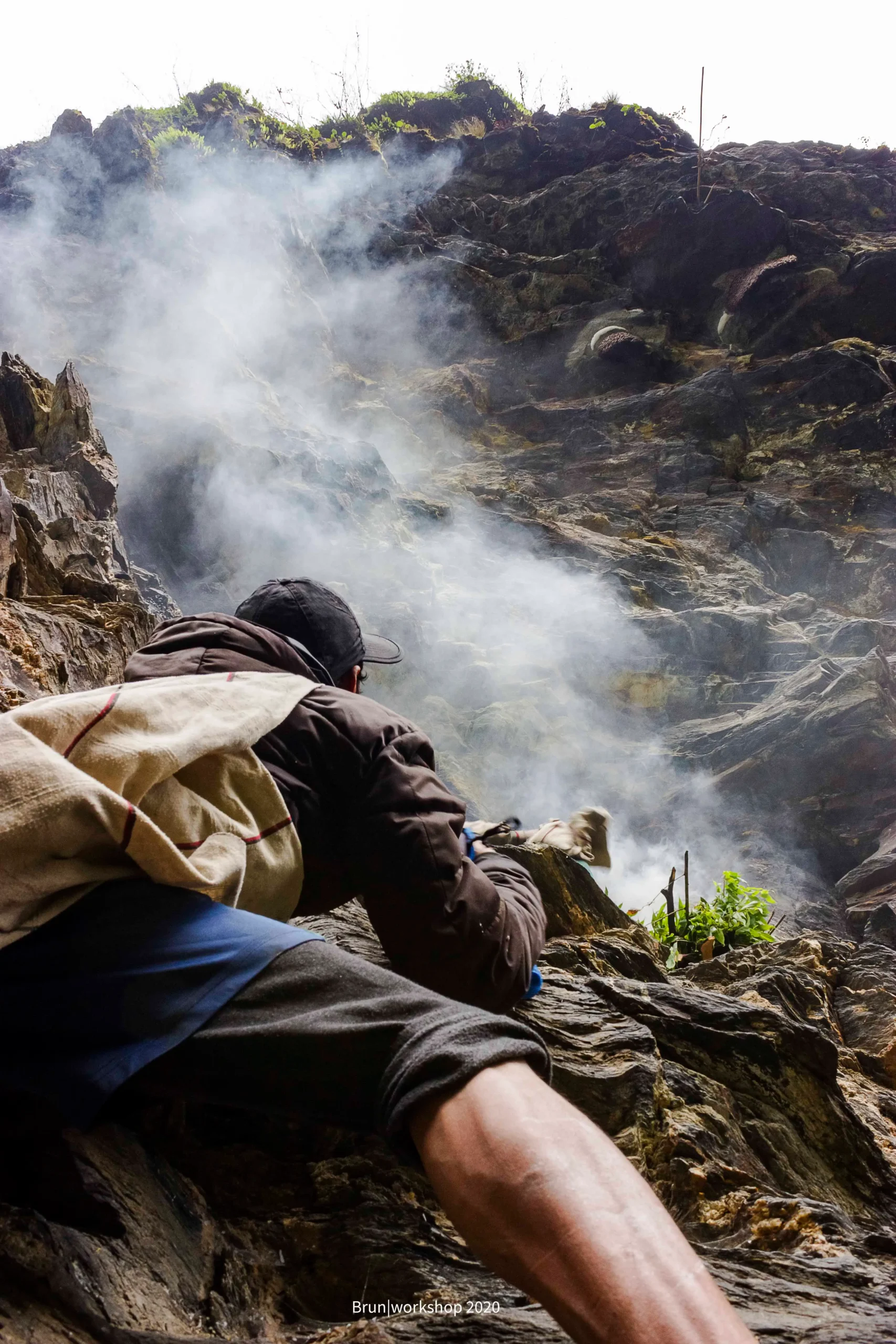
- Local plant smoke — calms the colony enough to work
The bees do not stop flying. Thousands move around the hunter throughout the entire process. The skill is not in avoiding them. It is in understanding their behavior well enough to keep working through it.
Sections of comb are cut and fall into the basket. Nothing touches machinery. Nothing is processed or altered on site. The honey is collected exactly as it exists in the comb.
What reaches the valley floor is packed without any addition or removal. Nothing is done to it. Every jar includes QR-linked video of the harvest so you can see the cliff, the hunter, and the comb being cut — before you buy.
You have seen where it comes from and how it is taken. The next question is straightforward: how does this compare to everything else being sold as mad honey?
What Makes This Mad Honey Different From Every Other Brand
Most mad honey sold online comes without proof of origin, without species confirmation, and without any way to connect what is in the jar to a real harvest. That gap is the defining problem in this category.
We can show you all of it. And we do. For every jar. Every batch. Every season.
| What to Verify | Himalayan Giant | Most Mad Honey Brands |
| Harvest video — per batch | QR-linked, unedited | Not available |
| Batch code traceability | Every jar | None |
| Confirmed Apis laboriosa | Documented source | Often unverified |
| Single cliff source | Never blended | Unknown origin |
| Current harvest only | No old stock policy | Unknown |
| Ecological accuracy | Cliff + forage altitude | Generic claims |
| Hunter community named | Gurung — Lamjung | Not disclosed |
Before you buy mad honey from any seller, ask one question: can they show you the actual harvest on video?
In most cases, the answer is no. Not necessarily because the product is fake — but because it is not traceable. That distinction is what matters when you are deciding what you are willing to put into your body.
If you want to know exactly what to check, read how to verify your mad honey is authentic.
What Does Mad Honey Taste Like — The Full Sensory Profile
The color is the first thing. Deep amber moving toward reddish-brown — noticeably darker than most commercial honey. This comes directly from Rhododendron nectar and the density of the wild comb. No coloring is added. What you see reflects the source chemistry.
The texture is heavier than what most people are used to. It pours slowly and sits dense on the spoon. Because it is unfiltered and never heated, it keeps this natural thickness without breaking down or crystallizing quickly at room temperature.
The aroma is strong and layered. Rhododendron bloom comes through clearly, but underneath it there is an earthiness from the wild comb itself. It smells more like something botanical than something sweet — which is an accurate signal for what is coming.
The first taste is sweetness. It arrives fully, with floral depth that commercial honey does not have. It is rich rather than sharp.
Then the shift happens.
A distinct bitterness begins to build at the back of the tongue. It is not unpleasant and it is not subtle. It develops over several seconds and changes how the sweetness is perceived. This is the grayanotoxin. This is what you are tasting when you know the honey is real.
“If the honey tastes only sweet — no bitterness, no complexity — it is not authentic mad honey. The bitterness is not a flaw. It is the signature.”
This is not a honey you use in passing. It asks for attention. It rewards it.
You know what it looks like, what it smells like, and what it tastes like. What happens next — after you swallow — is where most people have the most questions. Here is an honest answer to all of them.
Mad Honey Effects and Dosage — What to Know Before You Open the Jar
Grayanotoxin in mad honey interacts with the body’s sodium channels, influencing how nerve signals are transmitted and producing a measurable physiological response at low doses.
What Grayanotoxin Does — In Plain Language
Grayanotoxin is a naturally occurring compound found in Rhododendron nectar and preserved in mad honey during the bees’ production process. It works by affecting how electrical signals travel through nerve and muscle cells, specifically by interacting with sodium ion channels in a way that slows their normal function.
At low doses, this produces a noticeable but controlled shift in how the body feels. It is not a stimulant and it does not behave like an intoxicant. The effect is more physical than psychological. The compound is processed and cleared naturally by a healthy adult body without lasting effect at appropriate doses.
Grayanotoxin’s effects have been documented in scientific literature, and its traditional use within communities like the Gurung of Lamjung, Nepal spans centuries. This is not anecdote — it is a long record of intentional, informed use by people who understood what they were working with.
What to Expect — The First Experience
At the correct dosage, some people report a gradual onset that begins around 20 to 45 minutes after consuming mad honey.
The first sensation is often a warmth that starts in the chest or face. After that comes a subtle heaviness in the limbs — not unpleasant, just present. This is usually followed by what most people describe as a slowing down of the nervous system and a physical calm that is distinct from tiredness.
Some people notice mild dizziness when they stand quickly. It passes on its own within a few minutes. Sensory awareness may feel slightly more acute, particularly sound and the sense of the body itself.
The full experience typically runs 2 to 3 hours and resolves completely. No crash and no hangover are commonly reported.
This is not intoxication in the familiar sense. It is the body responding to a naturally occurring compound — one that people across the Himalayan region have engaged with deliberately for a very long time.
Is Mad Honey Legal — USA, Europe, and International Shipping
Mad honey is legal in the United States, the United Kingdom, and throughout the European Union, classified as a natural honey product and not a controlled substance.
It is not a synthesized compound. It is unprocessed honey from a wild source, and its legal classification in the USA, UK, and EU reflects that. The presence of grayanotoxin does not change how it is categorized when sold as food.
Every order ships from Nepal with proper export documentation — customs declarations, origin certificates, and product classification paperwork are all included. Standard international shipping requirements are met on our end before anything leaves the country.
Customers are responsible for checking local import rules. That said, the vast majority of shipments to the United States and Europe arrive without customs complications.
| Country / Region | Legal Status | Notes |
| United States | Legal | Natural honey — no controlled classification |
| United Kingdom | Legal | No restriction as food product |
| European Union | Legal | All member states — natural product |
| Canada | Legal | Natural food classification |
| Australia | Verify locally | Strict biosecurity — contact before ordering |
| Rest of World | Generally legal | Check local honey import rules |
Orders ship directly from Nepal. Delivery to the USA typically takes 7–14 business days. The UK and EU typically take 8–16 business days. Free worldwide shipping is included in the price. If you have any uncertainty about your country’s import rules, contact us before ordering.
How to Store Mad Honey — and How Long It Keeps
Store mad honey in a sealed jar in a cool, dark place away from heat and direct sunlight to preserve its natural compounds and consistency.
Storage:
- Store in a cool, dark place — a cupboard or pantry works well
- Keep the lid sealed tightly when not in use
- Do not refrigerate — cold temperatures cause natural crystallization
- Keep away from direct sunlight and heat sources
Shelf Life:
- Honey does not expire — it is antimicrobial by nature
- For best potency of the natural compounds: consume within 12 months of the harvest date printed on the jar
- Natural crystallization may occur over time — this is normal and does not affect quality or safety
- To reverse crystallization: place the sealed jar in warm (not hot) water — never use a microwave
Using in Tea or Drinks:
- Add to warm water or tea rather than boiling liquid
- Keep temperature below 40°C / 104°F to protect the natural compounds
- Do not use for cooking or baking — sustained heat will degrade what makes this honey what it is
The harvest date is printed on every jar. Use it to track freshness.
It starts on a cliff face you cannot reach without committing to the descent.
This page is not a product description in the usual sense. It is a record — of a place, a species, a group of people, and a practice that has continued without interruption because nothing about it has been easy enough to industrialize. The details here matter: the species name, the altitude split between nest and forage, the community, the season. Without them, this is just another jar with a label.
Not everyone will want this honey. The bitterness turns some people away immediately. That is part of what keeps it honest.
From the cliff in Lamjung to the moment the jar is sealed, nothing interrupts the chain. No processing. No blending. No adjustment. A single harvest. A fixed number of combs. A small number of jars.
This is not honey you spread on toast. Mad honey contains grayanotoxin — a naturally occurring compound that demands respect and measured consumption.
Prepare
Choose a calm, comfortable space. Set aside 2–3 unhurried hours. A trusted companion is recommended for first-time tasters.
Measure
Start with ¼ teaspoon (2–3g). Wait 45–60 minutes before considering more. Experienced users: ½ to 1 teaspoon max. Never exceed 1 tablespoon in 24 hours.
Taste
Place directly on tongue. Let it dissolve slowly. Sweet floral notes arrive first, followed by a distinct Rhododendron bitterness and a slight tingle.
Observe
Every experience is different. A gentle warmth is commonly reported. Effects, if any, typically emerge within 30–60 minutes and fade over 2–4 hours. Stay hydrated.
- Have heart or cardiovascular conditions
- Have low blood pressure
- Are pregnant or nursing
- Are under 18 years of age
- Are taking blood pressure medication
- Do not drive or operate machinery after consumption
- Do not mix with alcohol
- If you experience dizziness or nausea — lie down, drink water, rest
- Symptoms typically pass within 2–4 hours
- If symptoms persist — seek medical attention
Every order from Himalayan Giant includes:
Your Jar of Mad Honey
Hand-packed, sealed, and batch-coded. Pure wild honey — nothing added, nothing removed.
Harvest Video Access
QR code linking to raw footage of the harvest your honey came from.
Unique Batch Code
Ties your jar to a specific harvest, date, and region in Lamjung.
The Sacred Protocol
Complete dosage and tasting guide included in packaging.
Packaging
Sealed jar
Protective outer box
Cushioned for international transit
We ship worldwide. Free on all orders.
Details
- All orders ship from Nepal
- Tracking number provided via email once shipped
- Packaged for international transit — sealed, cushioned, and insulated
- Customs and import duties (if applicable) are the responsibility of the buyer
- We ship to most countries where honey import is permitted
- Some countries have restrictions on honey imports — check your local regulations
- If your order is held at customs, we will provide all required documentation
Mad honey is a type of honey that contains naturally occurring grayanotoxin from Rhododendron nectar — a compound that makes it chemically and functionally different from any regular commercial honey.
The difference starts with the bee. Apis laboriosa is the only species that produces true Himalayan mad honey, and it cannot be farmed or kept in managed hives. It depends on wild Rhododendron bloom at specific altitudes to produce nectar with grayanotoxin. No version of this can be replicated in a controlled setting.
Regular honey does not contain grayanotoxin. The bitterness you notice in real mad honey is that compound. If it is absent, the product is not what it claims to be.
At the correct dosage, some people report that mad honey produces a mild, physical calming effect rather than anything resembling conventional intoxication.
The onset typically begins 20 to 45 minutes after consumption. What people commonly report includes a warmth in the body, a heaviness in the limbs, and a slower, calmer response from the nervous system. Some notice mild dizziness when standing quickly. This resolves on its own.
The full duration is usually 2 to 3 hours. It ends without a crash or hangover in healthy adults at the correct dose.
This is a response to a naturally occurring compound, not a drug effect.
The correct starting amount for a first experience is ¼ teaspoon, which is approximately 1 to 2 grams.
After taking this, wait 45 to 60 minutes before considering anything more. This window lets the full effect develop at the starting dose before you add to it.
Experienced users can take up to 1 teaspoon per experience. The hard limit for any 24-hour period is 1 tablespoon — do not exceed this regardless of experience level.
Mad honey should not be consumed by anyone with a heart condition, low blood pressure, or related medications. It is also not suitable for those who are pregnant, breastfeeding, under 18, or combining it with alcohol or sedatives.
Full preparation and timing guidance is available in the Sacred Protocol — complete dosage and preparation guide.
Yes — mad honey is legal in the United States, the United Kingdom, and across the European Union as a natural food product.
It is unprocessed wild honey, not a synthesized compound. This is why it does not fall under controlled substance classifications in these regions. The grayanotoxin it contains is a naturally occurring plant compound, not a manufactured drug.
Every order ships from Nepal with full export documentation, including customs declarations and origin certificates.
Customers should verify their own local import rules before ordering. Most shipments to the USA and Europe arrive without issue. Australia has stricter biosecurity requirements, so verification is recommended before placing an order there.Read more about legal classification in the USA, UK, and EU.
Real mad honey can be verified through three things: harvest evidence, batch traceability, and species confirmation.
Every jar of Himalayan Giant mad honey includes a QR code that links to actual, unedited video footage of the harvest it came from. You can see the cliff, the hunters, and the comb being cut. Each jar also carries a unique batch code that traces it back to a specific collection.
The honey is sourced from Apis laboriosa — the only species that produces genuine Himalayan mad honey. This is documented, not just claimed.
A simple benchmark: ask any other seller to show you the harvest on video. Most cannot. Read more about how to verify your mad honey is authentic.
Himalayan mad honey has a deep amber to reddish-brown color, a dense texture, and a flavor profile that moves from floral sweetness into a distinct bitter finish.
The sweetness arrives first and is fuller and more layered than commercial honey. Then, within a few seconds, a bitterness develops at the back of the tongue. This comes from the grayanotoxin and is the clearest marker of authenticity. If the honey tastes only sweet with no bitterness, it is likely not genuine mad honey.
The texture is thicker and heavier than most supermarket honey due to its unfiltered, unheated state. The aroma is noticeably floral with an earthier undertone from the wild comb.
Mad honey is safe for healthy adults when the correct dosage is followed. It has been used traditionally for centuries in Nepal — particularly among Gurung communities in Lamjung — without a record of harm at appropriate doses.
The key is not exceeding the dosage guidelines. At the recommended starting amount, the effects are mild and temporary.
It should not be used by anyone with heart conditions, low blood pressure, or related medications. It is also not appropriate for people who are pregnant, breastfeeding, under 18, or combining it with alcohol or sedatives.
If there is any uncertainty about whether it is appropriate for your situation, speak with a healthcare provider before use.
For a first experience, take it directly and let it dissolve on the tongue. This gives you the clearest sense of the flavor and the effects at a controlled starting dose.
After that, it can be added to warm water or tea. Keep the liquid below 40°C / 104°F. Higher temperatures begin to break down the naturally occurring compounds that make this honey what it is.
It should not be used in cooking or baking. Sustained heat — anything above a warm liquid — will degrade the active components significantly, leaving you with something much closer to regular honey.
Store mad honey at room temperature in a cool, dark place with the lid sealed. A kitchen cupboard or pantry works well.
Honey does not expire due to its natural antimicrobial properties. For best potency of the grayanotoxin and other natural compounds, the recommendation is to consume it within 12 months of the harvest date printed on the jar.
Crystallization can happen over time. It is completely natural and does not affect the quality, safety, or potency of the honey. To reverse it, place the sealed jar in warm water — not hot, and never microwave it.
Yes — mad honey ships worldwide from Nepal with free delivery on every order.
Delivery to the United States typically takes 7 to 14 business days. The UK and EU typically receive orders within 8 to 16 business days, depending on location and customs processing.
All orders ship after the annual spring harvest. No old stock is sent. Orders placed before the harvest ships come with a full refund option available at any time before dispatch.
You can review the full shipping and delivery information before placing your order if you need specific details for your country.
You must be logged in to post a review.
Reviews
There are no reviews yet.